ACL Injury Rehabilitation In Scituate MA
An ACL injury can change daily life and physical activity in a dramatic way. Whether the injury occurred during sport, a sudden movement or a simple misstep, the result is often frustration, pain and a long recovery process. At Next Level Performance Systems in Scituate Massachusetts, ACL rehabilitation is designed to provide clear guidance, structured progress and confident return to meaningful activity.
Recovery from an ACL injury is not simply about reducing pain. It requires restoration of knee mobility, rebuilding strength through the entire lower body, teaching the body to move with coordinated control and preparing for the physical stresses of sport or daily activities.
Many clients visit the clinic immediately after surgery and want to know exactly what to expect in the first weeks of recovery. Others arrive months later because their progress has slowed or because they still feel weak, unstable or hesitant during sport. Some clients were treated in a traditional clinic and now seek more focused one to one attention. Regardless of the stage of recovery, each person receives an individualized plan that addresses their specific situation.
Because every session is conducted by a licensed physical therapist, clients receive calm and knowledgeable guidance through each step.
Understanding ACL Injury And The Recovery Process
The ACL plays an important role in knee stability. When it is torn, the knee often feels unstable, especially during pivoting, cutting or sudden change of direction. After surgery or after a non surgical approach, the surrounding muscles must be strengthened and retrained to compensate for the absence or healing of the ligament.
In the early phase of rehabilitation, the primary goals are to reduce swelling, improve knee extension, regain comfortable flexion and restore normal walking patterns. Many clients are surprised at how important these first steps are for long term success. Without full extension or a stable gait pattern, later phases of training become difficult or inconsistent.
As recovery continues, the focus shifts to strength development. Both legs must be strengthened, although the surgical leg or injured leg receives extra attention. Quads, hamstrings, glutes and calf muscles all contribute to stable knee function. When these muscles regain strength, clients begin to feel more confident as they walk, climb stairs and perform basic athletic movements. Later phases introduce balance, control, agility and progressive impact. These skills help clients prepare for sport demands such as landing, pivoting and accelerating. The final stage is the return to sport process where performance and resilience are tested to ensure readiness.
The therapist explains every step and adjusts the pace as needed to ensure a supportive and effective evaluation.
Evaluation
Recovery
Individualized
Phases Of ACL Rehabilitation
Next Level Performance Systems guides clients through a structured ACL recovery process, from early post-surgery care to return to sport readiness.
Early Recovery
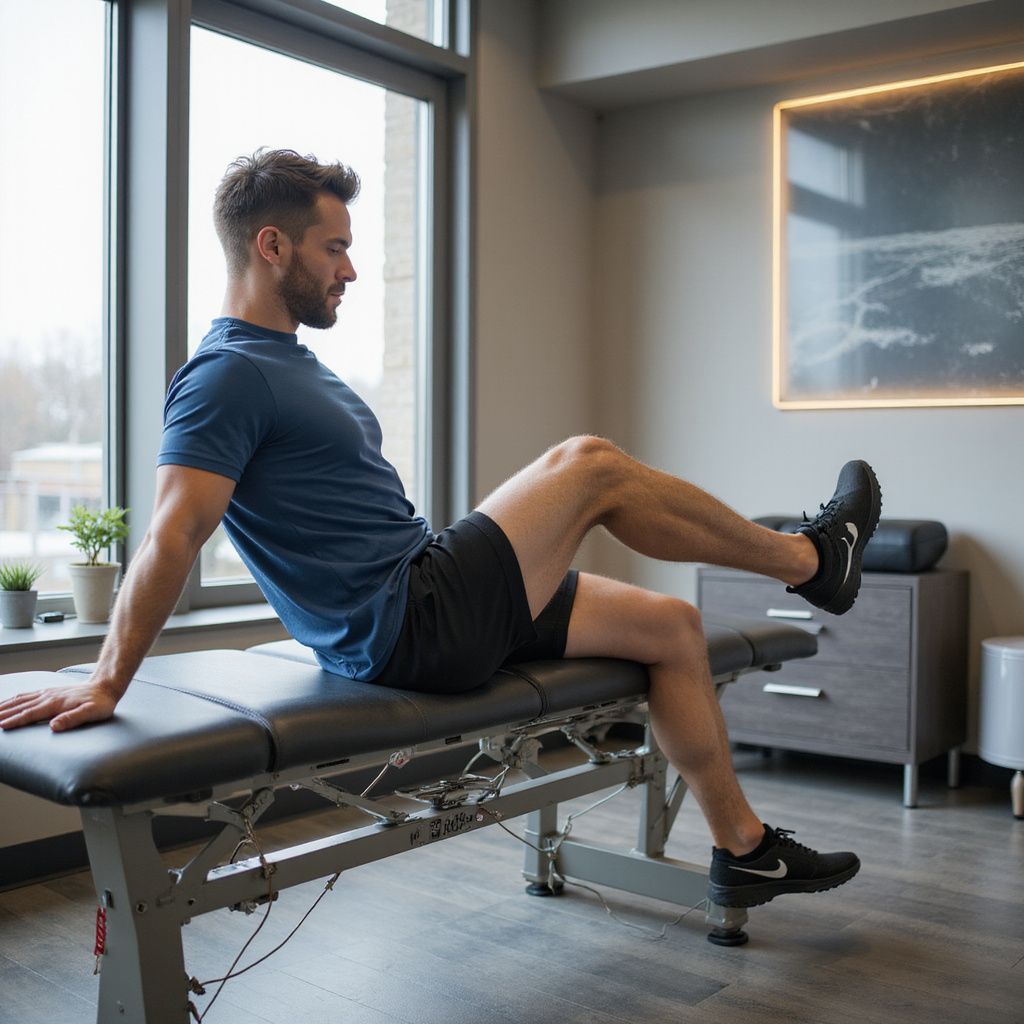
The early phase focuses on swelling management, gentle mobility and restoration of normal walking. Many clients begin with heel slides, quadriceps activation exercises and gradual weight bearing. The therapist also helps clients understand how to move at home and how often to rest or stretch. Restoring extension is one of the main priorities because it influences gait and knee mechanics throughout the entire recovery timeline.
Strength Restoration
When knee motion improves and swelling decreases, strength training begins in a more structured way. Exercises target quads, hamstrings, hips and lower leg muscles. Strength is developed through progressive loading which means gradually increasing resistance as the body adapts. Clients learn proper technique that supports knee alignment and reduces stress on vulnerable tissues. Strength development is often the longest phase and requires patience. Consistency leads to steady improvement and sets the foundation for later balance and agility training.
Control And Balance Training
Balance helps clients stabilize the knee during sudden movements. Control refers to the ability to move through positions with steady and accurate mechanics. Single leg exercises, step downs, lunges, controlled rotational drills and supported impact work are introduced. These movements teach the body to coordinate muscle activity in ways that protect the knee.
Agility And Impact Progression
As strength and balance improve, clients begin more advanced movements. This phase may involve hopping patterns, controlled landings, gentle cutting, directional changes and movement sequences that resemble sport. Each progression is introduced only when the body is ready. Safety and stability remain the focus at every step.
Return To Sport
The final stage of ACL rehabilitation prepares clients for the demands of sport. Return to sport requires strength symmetry, quality control, consistent landing mechanics and confidence in the injured leg. The therapist uses structured tests to measure progress and determine readiness. Athletes learn to trust their movement again and understand how to manage training loads to avoid setbacks.
Common Challenges And How They Are Addressed
Who This Program Helps
Athletes, Active Adults, and Everyday Movers
Contact Next Level Performance Systems
Hours
MON 6am-10pm | TUE-WED Closed | THUR 6am-10pm | FRI -Closed | SAt 8am-12pm| SUN - Closed